
Handwriting and mark making
Mark Making Sheets: Handwriting and mark making
Introduction to handwriting development
Handwriting development is a key milestone in every child’s learning journey, and it all begins with mark making. The concept of mark making is recognized as a fundamental developmental activity in early childhood education, supporting growth across expressive arts, mathematics, physical development, and literacy. For early years children, mark making is more than just scribbling: it’s the first step towards mastering fine motor skills and pencil control. Mark making activities are tailored to different age groups, supporting foundational skills appropriate for each age and ensuring that every child’s developmental needs are met.
Through mark making activities, little ones practise making new movements, exploring lines, shapes, and marks on a page. This playful exploration helps children develop the coordination and confidence they need for handwriting and drawing as they grow.
Mark making pattern cards are a fantastic tool for introducing children to a range of different patterns and colours. These cards encourage creativity and artistic expression, allowing children to experiment with new shapes and movements in a fun, engaging way. As children practise making marks, they not only build essential skills for writing but also discover the joy of self-expression. Structured activities using pattern cards help child practise making different marks, patterns, and shapes, supporting the development of fine motor skills and early literacy. With the right resources and encouragement, mark making becomes an exciting adventure, laying a strong foundation for future learning.
Benefits of handwriting practice
Regular handwriting practice offers a wealth of benefits for children, helping them develop fine motor skills, hand-eye coordination, and dexterity. Mark making activities, especially those using mark making pattern cards, give children the chance to practise making marks with simple and accessible tools: often just a pen and some paper are all you need. This hands-on experience strengthens pencil control and helps children create a wide range of lines, shapes, and patterns.
Before children are ready to write letters, experimenting with different marks and patterns builds their confidence and creativity. Practising repeated movements and copying patterns is essential for developing pre-writing skills, finger strength, and pencil control. These early experiences with mark making support the development of writing skills, making the transition to forming letters much smoother. For example, using pattern cards to create spirals or zigzags not only supports expressive arts but also helps with maths concepts like sequencing and physical development through hand movement. As children practise, they gain the confidence to express themselves through writing and drawing, setting the stage for academic success and personal growth. Incorporating mark making into daily routines ensures children develop the skills they need to write, draw, and create with ease.
Teaching mark making
Teaching mark making is a rewarding process that combines creativity, patience, and the right resources. Mark making pattern cards are a great resource for both educators and parents, offering a variety of patterns and colours to inspire children. These resources are often created to inspire and support mark making, reflecting the personal involvement and creativity of educators in developing engaging activities. By introducing mark making activities in a supportive environment, adults can encourage children to experiment, make mistakes, and learn through play.
Providing a range of materials, such as pencils, pens, paints, and sensory materials like sand allows children to explore different ways of making marks. Guidance and inspiration from mark making resources can help adults introduce new ideas and techniques, ensuring children stay engaged and motivated. By fostering a love of art and creativity, and by offering plenty of encouragement, adults can help students develop their mark making skills and confidence, making learning both effective and enjoyable.
Creating mark making patterns
Creating mark making patterns is a wonderful way for children to express themselves while developing fine motor skills. With a variety of materials at their fingertips children can experiment with tracing, drawing, and painting to create their own unique patterns. Children can also trace over patterns to develop their skills and improve control. As they create patterns, learning to form shapes and structures is an essential step in building handwriting skills and fostering creativity. Mark making pattern cards serve as a helpful starting point, offering inspiration and guidance as children explore different patterns and techniques, and using images as visual aids for mark making.
Mark making activity packs, complete with worksheets, displays, and banners, can transform any learning space into a creative hub. Each pack typically includes themed worksheets, activity sheets, and display posters to support mark making and fine motor skill development. These resources encourage children to try new ideas, fill pages with their own designs, and take pride in their creations. Worksheets provide structured activities for developing fine motor skills and pattern recognition. After filling pages with their own designs, children experience a sense of accomplishment and creative freedom. Introducing a new way of engaging children in mark making—through innovative and creative approaches—can enhance traditional learning and inspire excitement. Try using story themes or storytelling as part of mark making activities to support early literacy and engagement. For effective mark making or pattern creation, offer tips such as starting with simple shapes, using a variety of tools, and encouraging experimentation. Look out for our limited-time resource pack, available for a short period only, to access exclusive materials. We are proud to collaborate with partners such as leading educational organizations to ensure high-quality resources. Visit our website for more mark making ideas and inspiration.
Using Mark Making Pattern Cards
Mark making pattern cards are a great resource for early years children to begin exploring the world of mark making. These cards introduce little ones to a variety of different patterns, lines, and shapes, encouraging them to practise making new movements on the page. By using mark making pattern cards in mark making activities, children can develop essential fine motor skills and improve their pencil control, both of which are key for handwriting and drawing.
The beauty of mark making pattern cards lies in their versatility. Children can use a range of tools, pencils, pens, or even paint, to create their own marks and patterns, experimenting with different techniques and materials. This hands-on approach not only supports skill development but also sparks creativity and self-expression, as children fill pages with their own unique designs. Mark making pattern cards are a fun and engaging way for children to begin writing and drawing, providing inspiration and guidance as they explore new patterns and movements. Whether used at home or in the classroom, these cards are a fantastic resource for encouraging children to create, experiment, and develop confidence in their mark making abilities.
Mark Making in Education
Mark making plays a key role in education, especially within the Early Years Foundation Stage (EYFS). It is an essential tool for helping children develop fine motor skills, pencil control, and artistic expression. Through mark making activities, children are encouraged to explore different patterns, lines, and marks on a page, laying the groundwork for handwriting and drawing.
In the classroom, mark making is used to support a wide range of learning areas, from literacy and numeracy to expressive arts. By incorporating mark making into daily routines, educators can provide children with fun and engaging opportunities to develop new skills and express their creativity. Mark making activities can be easily adapted to suit different ages and abilities, making them an inclusive and effective teaching tool. Whether children are tracing lines, creating patterns, or experimenting with new materials, mark making helps them build confidence, develop key skills, and enjoy the process of learning. By valuing mark making as a foundational activity, educators empower children to explore, create, and grow in their early years.
Showing 1–12 of 20 resultsSorted by latest
-
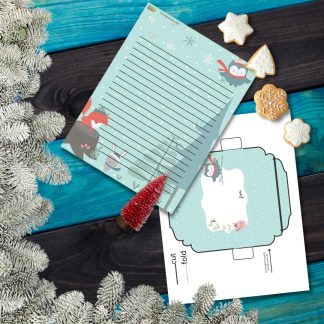
![Christmas letter paper with penguins, foxes and snowflakes]()
Christmas letter paper to download
£5.95 Add to basket -
![Community helpers worksheets for kindergarten and beyond]()
Community helpers worksheets for kindergarten and beyond
£5.95 Add to basket -
![Pumpkin patch memory book for kids]()
Pumpkin patch memory book for kids
£5.95 Add to basket -
![Bible verse printable]()
Bible verse printable
£5.95 Add to basket -
![Spring writing prompts]()
Spring writing prompts
£5.95 Add to basket -
![Camping themed drawing prompts]()
Camping themed drawing prompts
£5.95 Add to basket -
![Handwriting practise Sheets: Handwriting practice sheets - pet store edition]()
Handwriting practise Sheets: Handwriting practice sheets – pet store edition
£5.95 Add to basket -
![Letter tracing worksheets: Upper and lowercase tracing sheets]()
Letter tracing worksheets: Upper and lowercase tracing sheets
£5.95 Add to basket -
![Animal coloring pages: Animal safari counting coloring pages (13 sheets)]()
Animal coloring pages: Animal safari counting coloring pages (13 sheets)
£5.95 Add to basket -
![Dot to Dot printables: Dinosaur and Alphabet dot to dot]()
Dot to Dot printables: Dinosaur and Alphabet dot to dot
£5.95 Add to basket -
![Princess coloring pages: Princess and pets - count and colour]()
Princess coloring pages: Princess and pets – count and colour
£5.95 Add to basket -
![Kawaii coloring pages: The solar system]()
Kawaii coloring pages: The solar system
£5.95 Add to basket


Showing 1–12 of 20 resultsSorted by latest